news
Blue Testicles, Blue Vulva, and Consent
Family and Sexual Counselor Uzm. Nilsu Atıcı wrote: Blue testicles, blue vulva, and consent.
Yenidüzen · 18.10.2026Everything moving across the north — incidents, transport, infrastructure and weather, gathered from island channels and put in one place.
Family and Sexual Counselor Uzm. Nilsu Atıcı wrote: Blue testicles, blue vulva, and consent.
Yenidüzen · 18.10.2026Traces extending from Cyprus to Istanbul.
Yenidüzen · 18.10.2026Lefkoşa Turkish Women's Society Hayriyesi-1932-3.
Yenidüzen · 18.10.2026UN Secretary-General Antonio Guterres, in response to President Tufan Erhürman's letter regarding the Greek side's blocking of cultural, sports, political, and diplomatic activities of Turkish Cypriots, stated that such actions are discouraging and contrary to his calls for strengthening mutual trust.
Kıbrıs Gazetesi · 18.10.2026Lecturer at YDU Tourism Faculty and Culinary Arts Department Damla Karadayı wrote: Autumn harmony on the table: Chicken with pomegranate sauce and quince dessert.
Yenidüzen · 18.10.2026CTP Güzelyurt Mayoral Candidate Reşat Kansoy stated: “We will highlight the production, culture, and social life of every village.”
Yenidüzen · 18.10.2026The 16th International Cyprus Short Film Festival concluded with a grand ceremony at the Rialto Theater.
Yenidüzen · 18.10.2026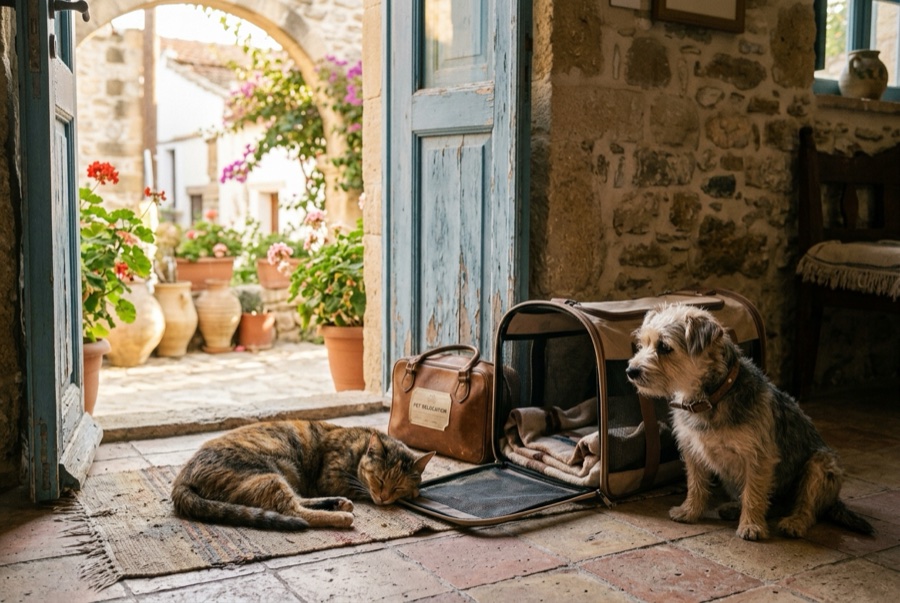 guide
guideChip → rabies shot → titre test → import permit → flight. The step-by-step guide with 2026 rules, quarantine costs, and export routes to Turkey, UK, EU and beyond.
Open guide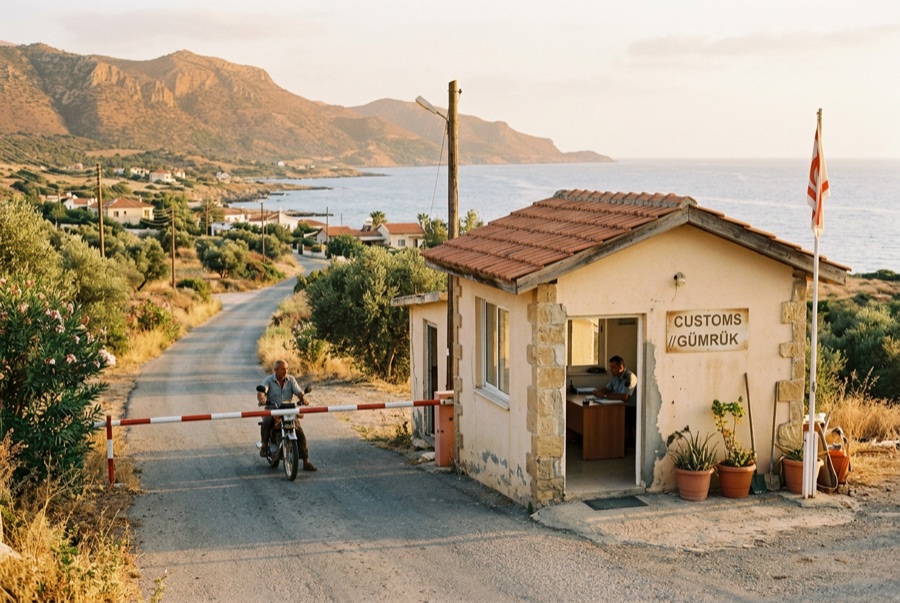 guide
guideThe real risks: Republic of Cyprus and Greece (stop-list, visa denial). For the rest of the world — folklore. Second passport as a working practice, and the legal route via Larnaca.
Open guideThe TRNC Ministry of Health warned that low donor turnout could disrupt treatment, especially for thalassemia patients, and called on residents to donate blood.
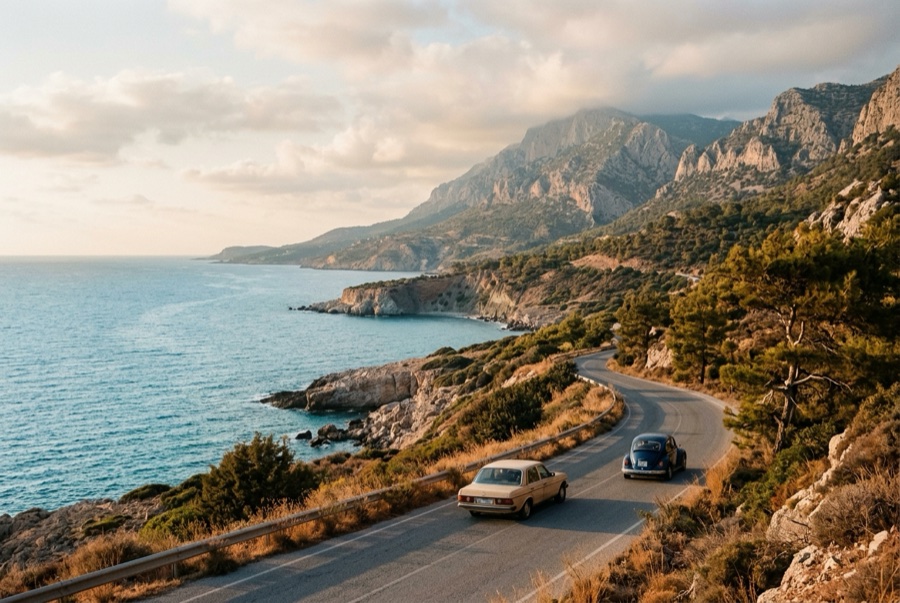 guide
guideCar rental pitfalls, roundabout rules, buying a car step by step, importing your own vehicle, and a printable driver's checklist. Everything a newcomer needs before getting behind the wheel.
Open guide →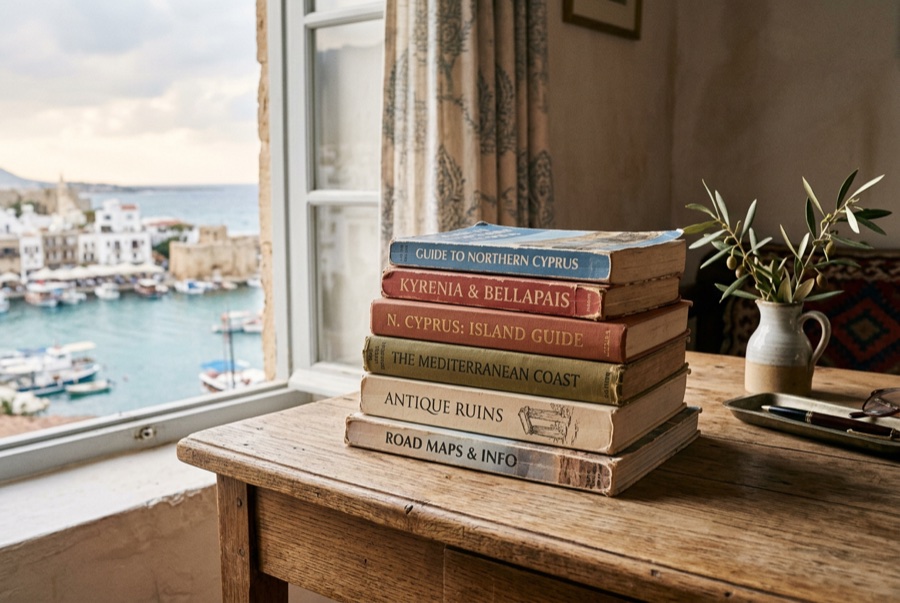 guides
Customs limits for all three directions, the TRNC tax system explained honestly, and a Green Line shopping cheat sheet from Mila the guide. Everything a newcomer needs to know about money and borders.
Open guides →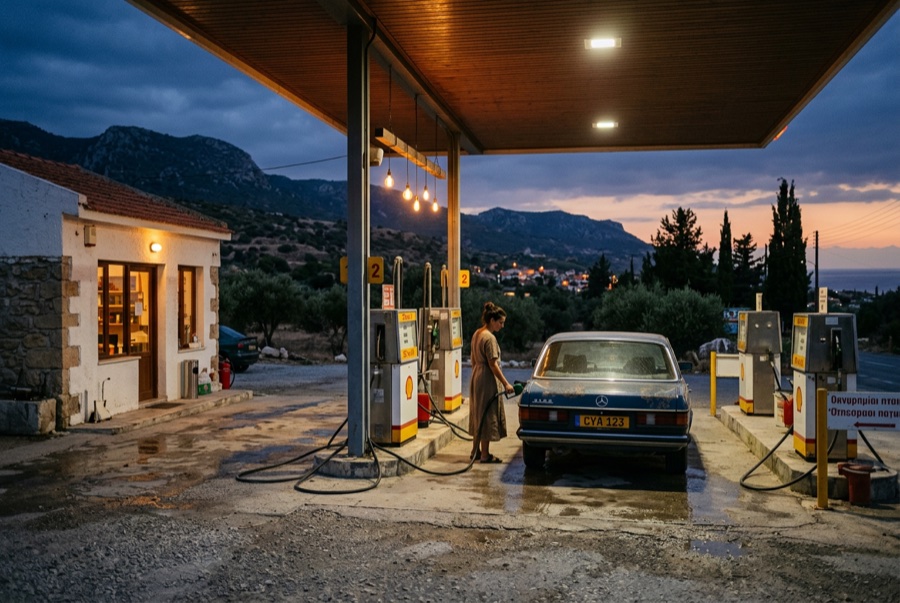 photo
photoWorld oil prices are sliding, yet petrol and diesel at TRNC pumps are unchanged — and residents are asking why.
Crude has fallen on world markets over recent weeks, but the price on the forecourts of the north has stayed where it was. Drivers are asking why the drop in the raw material isn't reaching the pump.
The reason is that the retail price in the TRNC is not built from the crude cost alone: taxes, the exchange rate, logistics and the importers' margin all go into it. Even when a barrel gets cheaper, those components can hold the price in place — or push it up.
No official revision of the fuel tariff has been announced so far. Watch for price changes through official notices and the source channel.
 incident
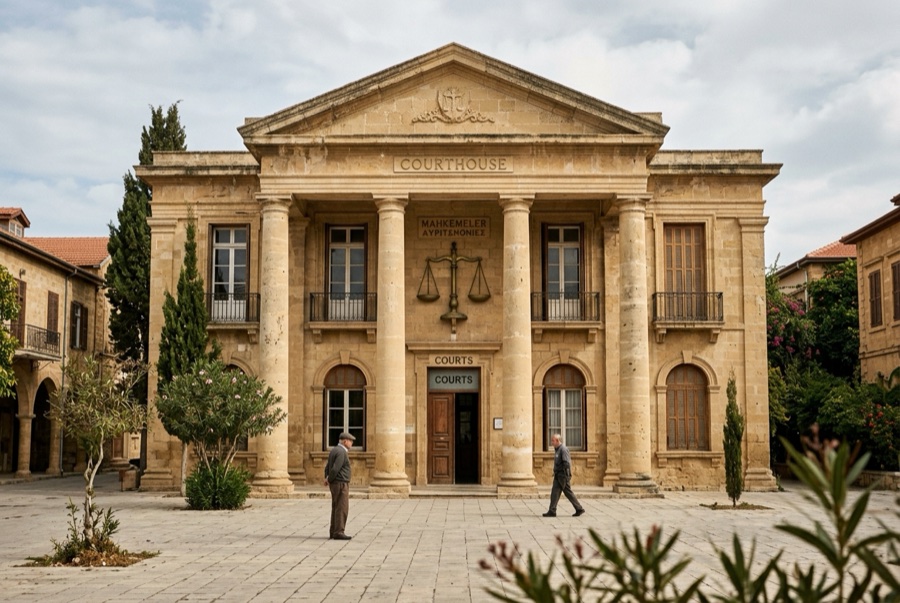
A north-Cyprus resident was jailed for crossing the buffer zone illegally — detained at Ercan Airport about a year after slipping out through a military area.
A court has sentenced a resident of northern Cyprus to prison for crossing the buffer zone illegally. According to the investigation, about a year ago he left the territory through a military zone, bypassing the official crossing points.
He was detained on his return — at Ercan Airport, where the border check flagged him. The case is a reminder that crossing the Green Line outside the designated checkpoints is a criminal offence that carries a real prison term.
 incident
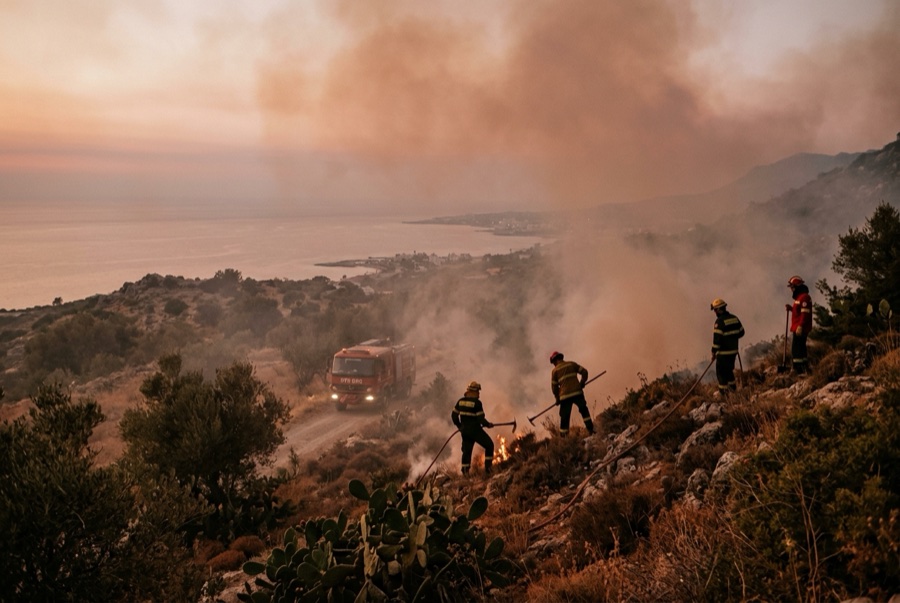
The Rise complex caught fire in the evening; residents were evacuated by ladder trucks. The blaze reopened the debate over fire escapes and evacuation routes in the tower blocks.
A fire broke out in the evening at the Rise residential complex on Long Beach, İskele. Fire crews were pulled to the scene and residents were evacuated, some of them with the help of ladder trucks.
Early reports suggest there were no serious injuries, but the incident again raised a sharp question for the district: are there enough fire escapes in the high-rise blocks, and do the evacuation routes and alarms actually work.
Long Beach is built up with dozens of towers, many occupied by foreign buyers. Residents are calling for a check of fire safety across the mass high-rise development. The exact cause of the fire is being established.
 photo
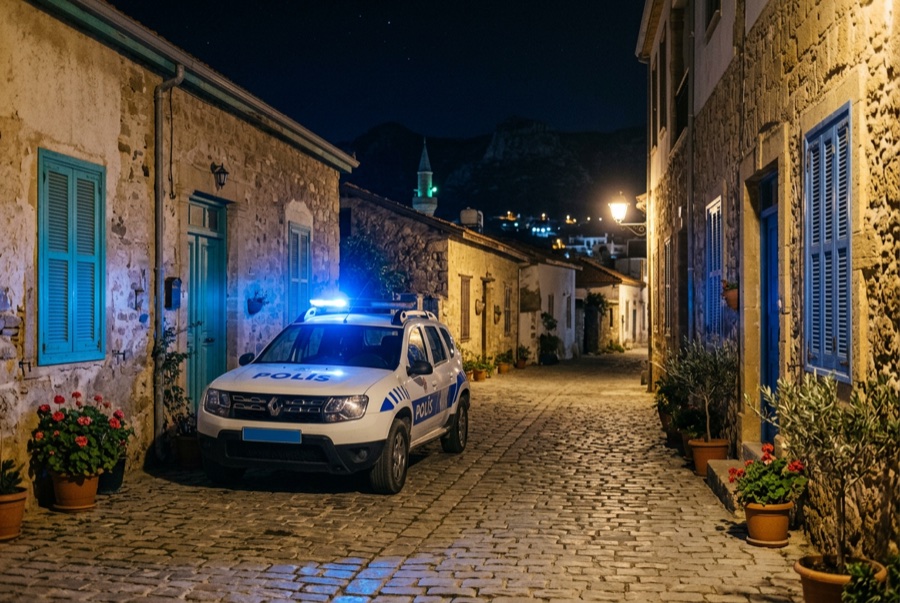
photoPolice ran an island-wide check over the weekend. Speeding topped the list of offences, followed by seat-belt and mobile-phone violations.
Over the weekend police ran a check across the whole island: 2,745 vehicles were inspected and 419 fines were issued. Speeding led the list of offences, followed by seat-belt and mobile-phone use at the wheel.
Police say the checks will continue, especially through the summer season when traffic on the roads of the north climbs with the influx of tourists and students.
 photo
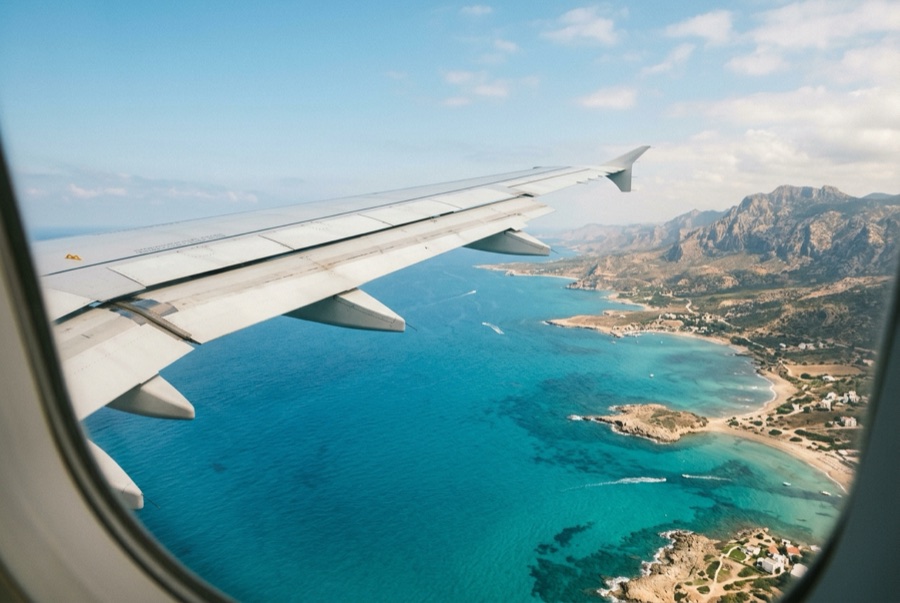
photo2.8 million passengers passed through Ercan in the first half of the year, peaking in May. New routes and the expanded terminal are feeding the growth.
In the first half of 2026 about 2.8 million passengers passed through Ercan Airport — up 8.24% on the same period a year earlier. The peak came in May.
The growth is linked to new routes and the work of the expanded terminal opened in recent years. Ercan is the main air gateway of the north, and its load is rising along with the tourist flow and the arrival of students.
 photo
photoDistricts, schools and hospitals are to be connected to fibre by the end of 2027 — a step toward the digital independence of the north.
The TRNC has announced a programme to connect homes to fibre-optic. By the end of 2027 the fibre is planned to reach districts, schools and hospitals across the north.
Fibre gives noticeably faster and more stable internet than the current lines. The authorities call the project a step toward the 'digital independence' of the north and the growth of communication services.
 photo
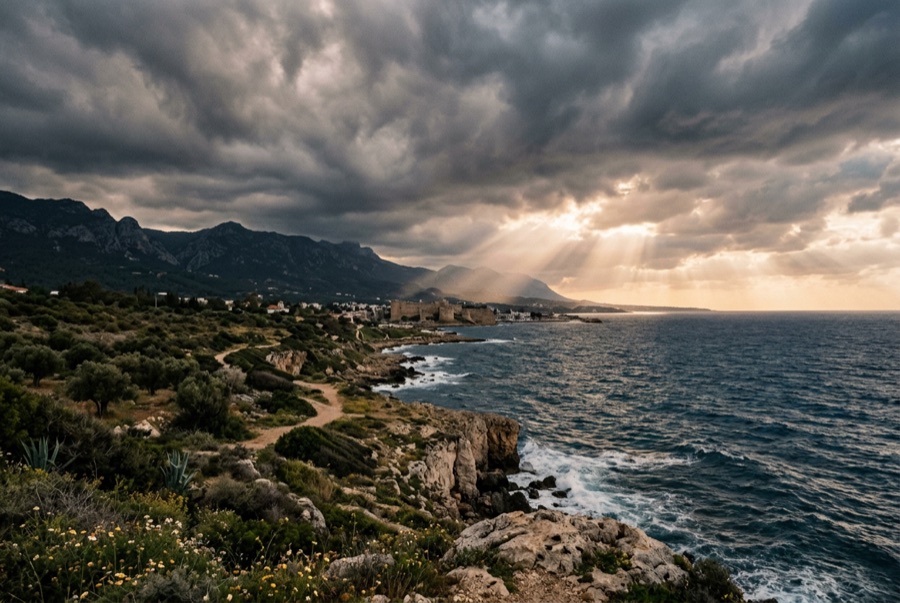
photoThe met office issued a yellow warning for heavy storms over the coast and the Beşparmak mountains, locally exceeding 35 mm per hour.
The meteorological service has declared a yellow level of danger because of strong thunderstorms. The coast and the Beşparmak mountains are in the firing line, with rainfall locally exceeding 35 mm per hour.
Brief flooding, reduced visibility and slippery roads are possible. Drivers are advised to slow down, and residents to keep windows and balconies shut.
 photo
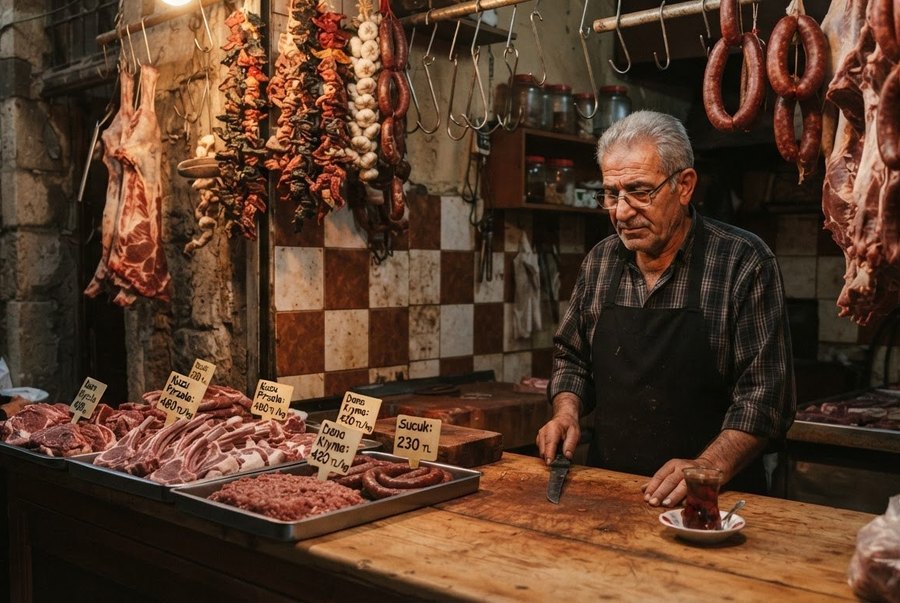
photoHow much meat costs in 2026 and why butchers say 'tükendik' — we are exhausted.
Walk into a butcher shop in Girne or Lefkoşa — the first thing you see is the price tags. They rise so fast that sellers are tired of restickering them.
According to UKON (National Red Meat Council) data for 6 August 2026, wholesale carcass prices are:
Beef — 583 TL/kg · Lamb — 608 TL/kg
But retail is a different story. Here are real prices from North Cyprus counters (May–August 2026):
| Product | TL/kg | €/kg |
|---|---|---|
| Beef mince | 900–1 400 | 17–26 |
| Beef cubes (kuşbaşı) | 1 000–1 500 | 19–28 |
| Beef steak (biftek) | 1 200–1 700 | 23–32 |
| Lamb rib (pirzola) | 1 000–1 400 | 19–26 |
| Lamb fillet (şiş) | up to 1 700 | up to 32 |
| Whole chicken | ~200 | ~3.8 |
| Chicken fillet | 250–270 | 4.7–5.1 |
For comparison: the global average beef price is around $18/kg. In Northern Cyprus it is $20–25. In neighbouring Turkey it is noticeably cheaper. On the Greek south — €7–12/kg, almost half.
We gathered what the butchers themselves say.
Mehmet Kermeoğlu, butcher in Lefkoşa: 'I used to dress 100 lambs a week. Now it's 10 if I'm lucky. We sit waiting for customers. Tükendik — we are exhausted. The trade is dying.'
Halil Akbıçak, butcher representative: 'A live lamb has gone up 55% in 4 months — from 320 to 500 TL. On the counter lamb is already 1 300 TL/kg. People go south for meat. The state loses over €250 million a year from this alone.'
İsmail Kamkam, butcher: 'Costs are rising and purchasing power is falling. Slaughter fees: 500 TL per small head, 4 000 TL per large head. That's before feed, rent, electricity. People buy less and less, but we can't cut prices — we'd be selling at a loss.'
Several reasons, all compounding. The island does not produce enough meat. 18 000 cattle and 137 000 lambs are slaughtered annually — 8 500–9 000 tonnes. For half a million residents plus tourists — not enough. Feed is getting expensive, barley is in short supply, farmers are reducing herds.
In the last two months the price of a live calf rose 50% — from 200 to 300 TL per kilo live weight. That went straight to retail.
Then there is the border paradox. On the Greek side the same products cost half as much. Result: residents of border areas increasingly shop for meat in the south. According to meat unions, the volume of meat brought in from the south (including illegal channels) already exceeds official sales inside Northern Cyprus.
Butchers and farmers have sat down at the same table for the first time — they are forming a cooperative to bring prices down. They are discussing controlled imports, modernising slaughterhouses, joint feed purchasing. For now these are plans.
Some experts predict: after the elections, beef could cross 1 500 TL per kilo.
If you are on holiday — cafe and restaurant portions are still generous, local kebabs or etli börek are still affordable. But if you are renting an apartment and planning to cook yourself — budget extra for meat. Chicken remains the budget option: whole bird ~200 TL, fillet 250–270.
In short: meat in Northern Cyprus is expensive and getting more so. Locals increasingly replace it with chicken, fish, or cross to the south. Butchers are sounding the alarm: 'tükendik'. The authorities are looking for solutions, but for now a kilo of good steak is a small celebration, not an everyday dinner.
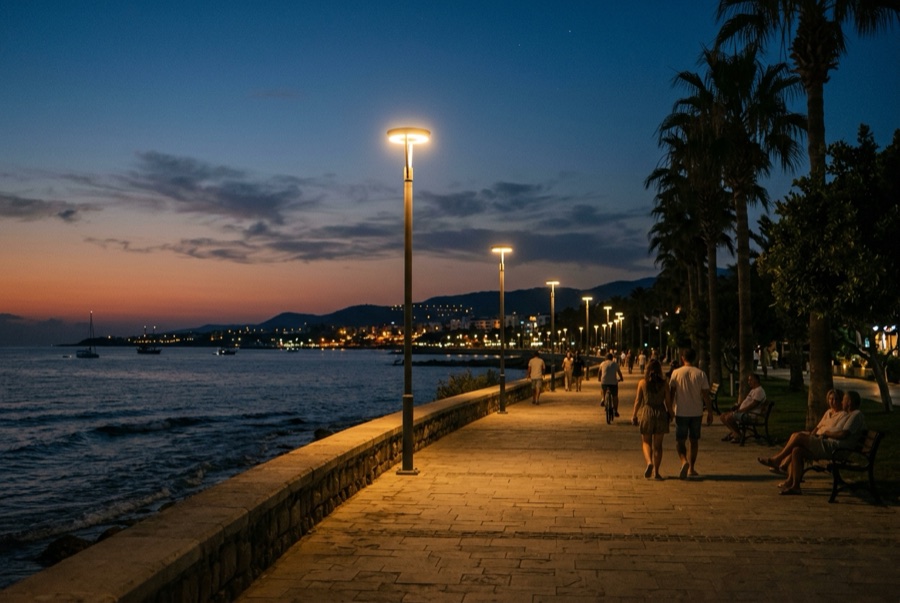 photo
photoKIB-TEK released a district-by-district schedule of short daytime outages while summer-load repairs are carried out on the grid.
The electricity utility KIB-TEK has published a district-by-district schedule of short daytime outages. The reason is planned repair work on the grid ahead of the higher summer load.
The cuts affect individual neighbourhoods for a few hours during the day. Check the exact schedule for your district in the official KIB-TEK notice.
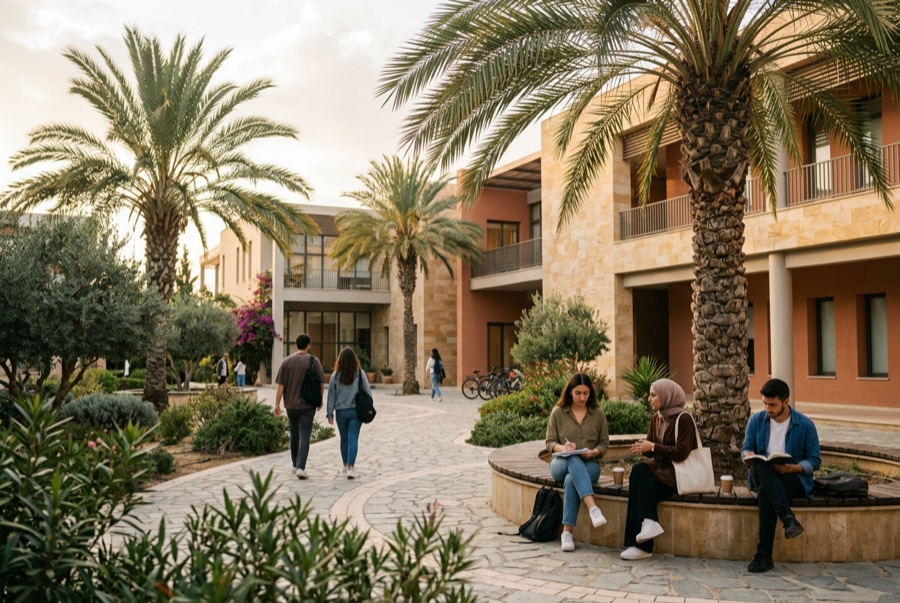 photo
photoInspections in Lefkoşa, Girne, Güzelyurt and Gazimağusa found violations of the 12:00–16:00 outdoor work ban (5–15 August). Written warnings issued.
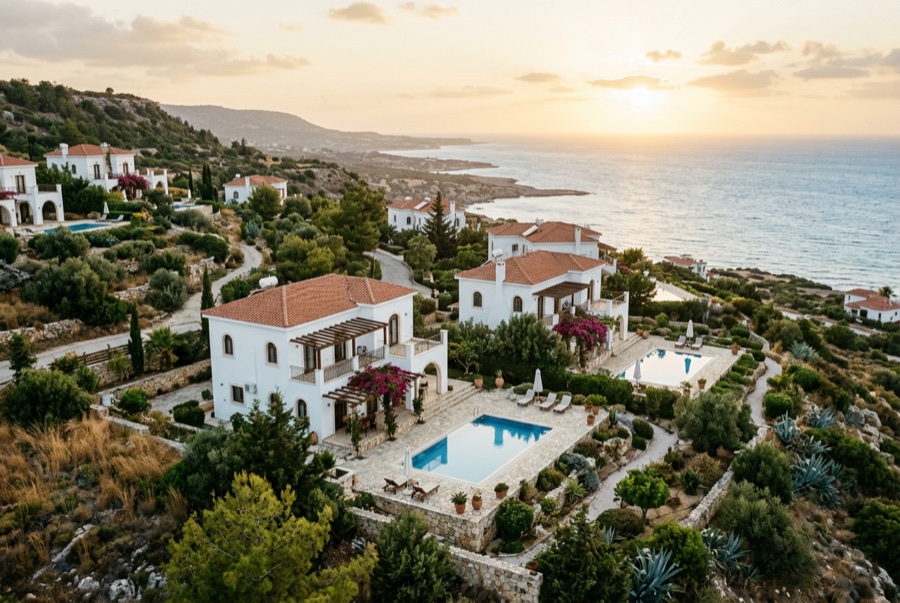 new rubric
A full guide to renting — contract, deposit, bills and the year-lease trap. Plus a printable checklist before you sign, and a buying guide coming next. Everything in one place.
Open the Property rubric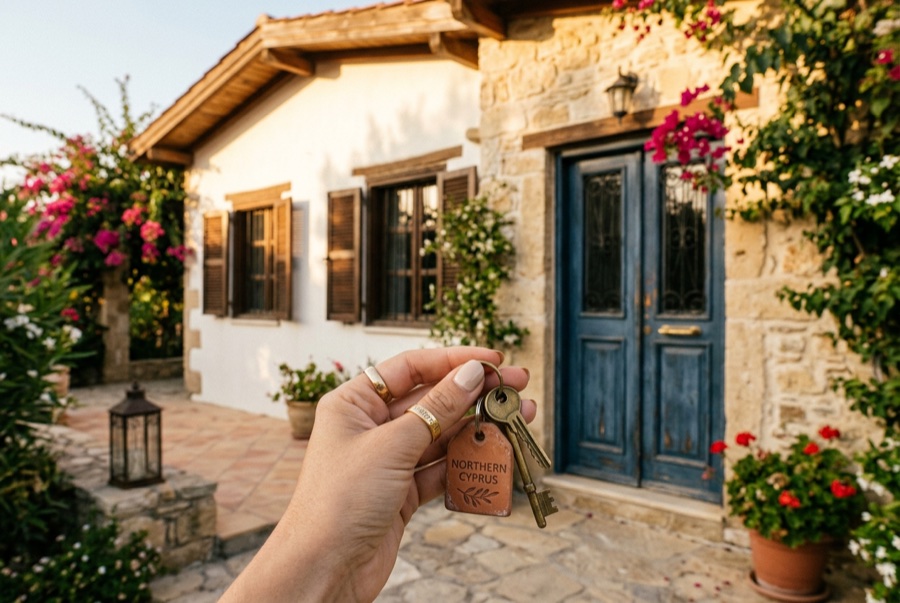 guide
guideTitle types, Council of Ministers permit, off-plan schemes, real prices in GBP, instalments up to 7 years, and the 7-step deal. Plus self-search links and a checklist you can get from Mila.
Read the buying guide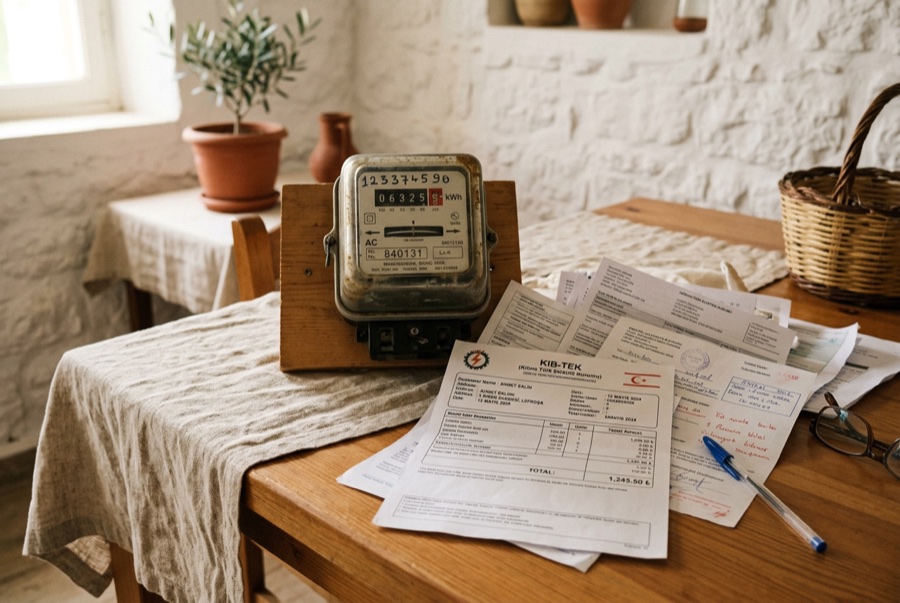 article
Kıb-Tek prepaid meters, summer air-con bills, water tanks, gas cylinders, internet providers and aidat. Real numbers so the first bill doesn't shock you.
Read the utilities guide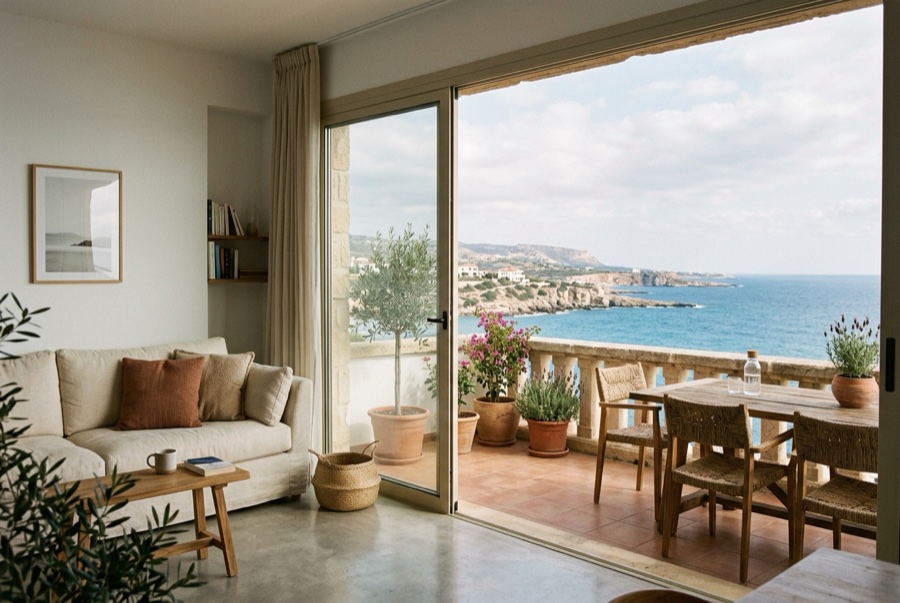 new section
We've opened the Property section. First up: the honest utilities guide with real Kıb-Tek numbers, plus a rental contract checklist you can get from Mila.
Explore the Property section new section
We've opened the Work section. Full guide: Çalışma İzni for hired work, remote-work rules, and opening your own business — plus an interactive readiness test. Take the test, then Mila helps you close the gaps.
Explore the Work section